We use cookies
    Industry Guide
    Agricultural Chemicals
    Oman

    Agricultural Chemicals in Oman: A Complete Buyer's Guide

    Business Development TeamFebruary 5, 20269 min read

    Sourcing agricultural chemicals in Oman — fertilizers, soil conditioners, and crop protection products for informed farm procurement decisions.

    Oman's agricultural sector is undergoing a significant transformation driven by the national food security agenda under Vision 2040. The government has invested heavily in expanding cultivated areas in Dhofar, Al Batinah, Al Dakhiliyah, and Al Sharqiyah regions, creating growing demand for quality agricultural chemicals including fertilizers, soil conditioners, pesticides, and irrigation water treatment products.

    Understanding Oman's Agricultural Chemical Regulations

    Before purchasing agricultural chemicals in Oman, it is essential to understand the regulatory framework. The Ministry of Agriculture, Fisheries and Water Resources (MAFWR) controls the import and sale of all crop protection products, including herbicides, insecticides, and fungicides. Only registered products with a valid MAFWR permit may be legally sold in Oman. When sourcing agricultural chemicals, always request the registration certificate number from your supplier. Fertilizers and soil conditioners are generally less regulated but must comply with composition standards for nitrogen, phosphorus, and potassium content.

    Essential Fertilizers for Oman's Soil Conditions

    Oman's soils vary significantly by region. Al Batinah coastal plain has sandy, low-nutrient soils requiring high nitrogen and potassium inputs. Interior wadis in Al Dakhiliyah and Al Sharqiyah have calcareous soils with high pH (7.5–8.5) that lock up micronutrients like iron, zinc, and manganese. Dhofar's monsoon-influenced soils are more fertile but may be deficient in boron and sulphur.

    The most commonly required fertilizers for Oman's farming conditions include urea (46% N) for nitrogen-intensive crops like date palms and vegetables, diammonium phosphate (DAP, 18-46-0) for phosphorus deficiency correction, potassium sulphate (SOP, 0-0-50) preferred over potassium chloride for chloride-sensitive crops, and micronutrient foliar sprays containing chelated iron, zinc, manganese, and boron for addressing pH-induced deficiencies in calcareous soils.

    Soil Conditioners and pH Management

    High soil pH is the single biggest challenge for Oman's inland farming areas. When soil pH exceeds 8.0, most micronutrients become unavailable to plants regardless of how much fertilizer is applied. The most effective soil pH correction strategies include elemental sulphur (90% S) applied 2–3 months before planting (soil bacteria convert it to sulphuric acid, lowering pH), gypsum (calcium sulphate) for improving soil structure in heavy clay soils, and organic matter amendments (compost, humic acid) to buffer pH and improve water retention in sandy soils.

    Irrigation Water Treatment for Agriculture

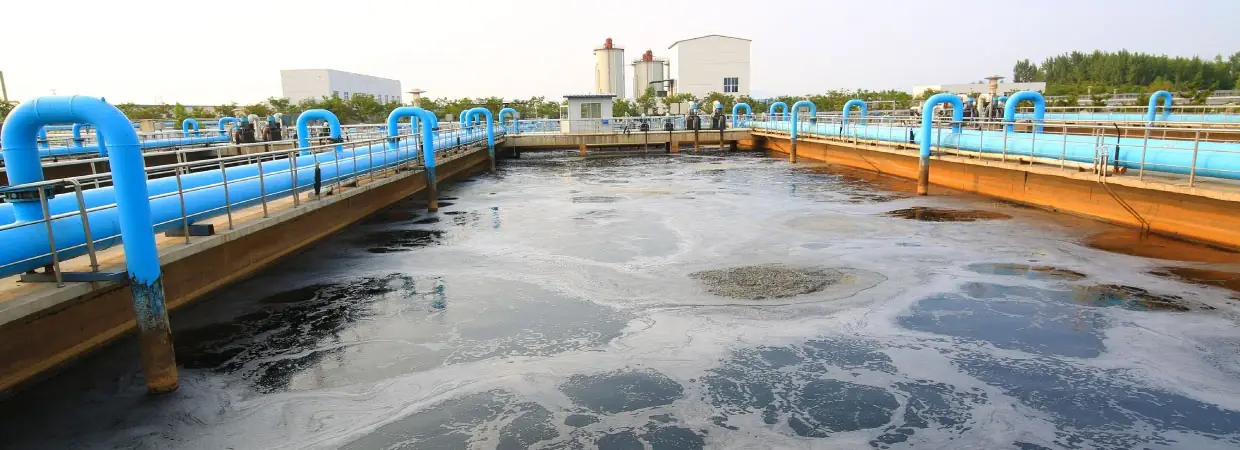
    Oman's irrigation water — whether from wells, aflaj (traditional channels), or treated wastewater — often has high bicarbonate alkalinity that causes scale in drip irrigation systems and raises soil pH. Agricultural-grade phosphoric acid is commonly added to irrigation water at 5–10 mL per 1,000 litres to lower pH to 5.5–6.5 and dissolve calcium and magnesium bicarbonate scale. For drip irrigation systems, ferrous sulphate or citric acid treatments clear blockages caused by iron precipitation and organic buildup.

    Crop Protection: Pesticide Selection and Safety

    The most important crop protection products for Oman's commercial agriculture include insecticides for date palm pests (dubas bug, red palm weevil), foliar fungicides for cucumbers, tomatoes, and peppers grown in protected cultivation, post-emergence herbicides for weed management in field crops, and rodenticides for grain and date palm store protection.

    All pesticide applications must be carried out in compliance with MAFWR guidelines. Pre-harvest intervals (PHI) must be strictly observed, especially for export crops. Personal protective equipment (PPE) including gloves, goggles, respiratory protection, and chemical-resistant coveralls is mandatory when mixing and applying any pesticide product.

    How to Source Agricultural Chemicals in Oman

    When selecting an agricultural chemical supplier in Oman, verify that they can supply: MAFWR registration certificates for all crop protection products, original manufacturer technical datasheets and SDS documents, batch-specific certificates of analysis confirming stated active ingredient concentrations, proper labelling in Arabic and English as required by Omani law, and after-sales technical support for application rates and scheduling.

    Global Chemicals LLC supplies agricultural chemicals including fertilizers, soil conditioners, and irrigation water treatment chemicals to farms and agricultural businesses across Oman. Our products are supported by full technical documentation. Contact us at info@gcoman.com or +968-93754388 to discuss your requirements.

    Tags:

    Agricultural Chemicals
    Oman
    Buyer Guide
    Fertilizers
    Soil

    Need Chemical Solutions for Your Business?

    Global Chemicals LLC supplies industrial, laboratory, and specialty chemicals across Oman and the GCC region — UAE, Saudi Arabia, Qatar, Kuwait, and Bahrain. Contact us for pricing, technical specifications, and fast delivery.